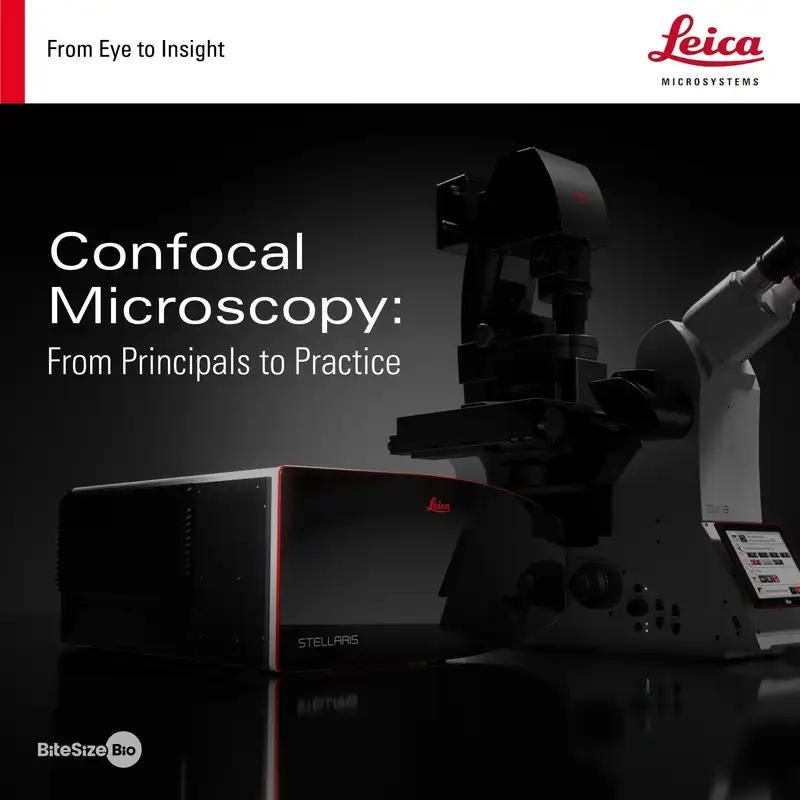

Listen to the Trailer
First Episodes
Coming Soon — Confocal Microscopy: From Principles to Practice
Coming Soon — Confocal Microscopy: From Principles to Practice This podcast series is designed to help you choose the right confocal microscope for your research. Acro...

Why Choosing a Confocal Microscope Is Harder Than It Looks
Choosing a confocal microscope is about more than comparing specifications. This episode explains how confocal imaging works, where it fits within the wider microscopy...
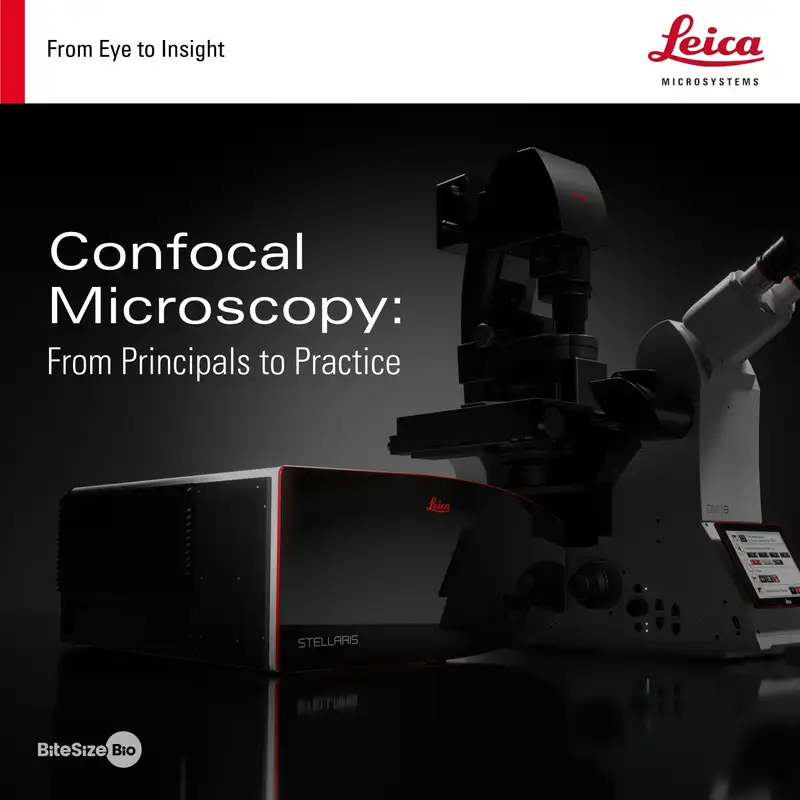
What Can a Confocal Microscope Actually Do?
Explore the main imaging modes available on modern confocal systems, including multicolor, live-cell, 3D, super-resolution, fluorescence lifetime, and quantitative ima...
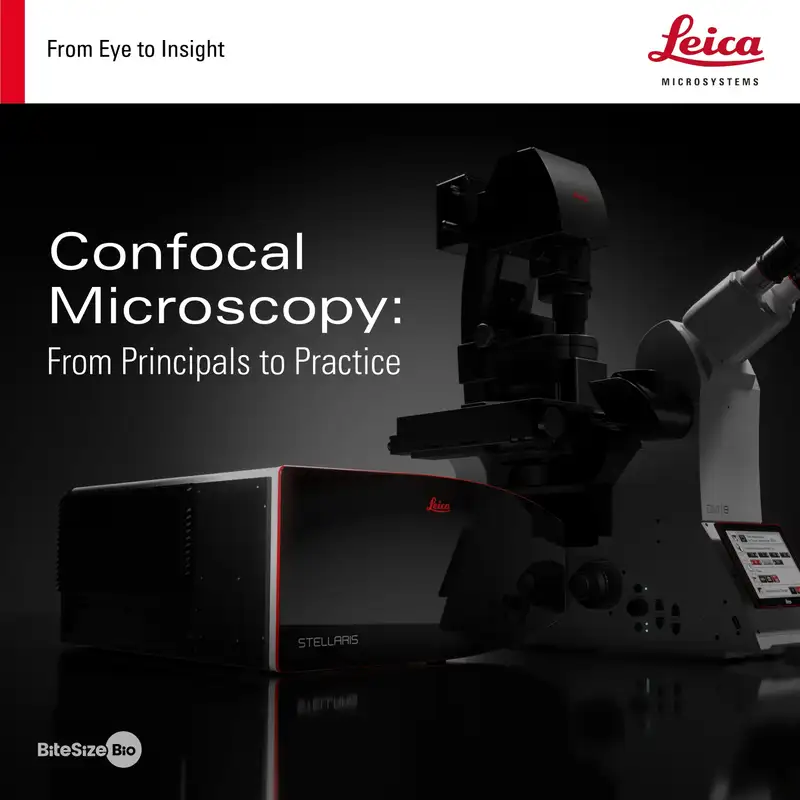
When Does Advanced Imaging Add the Most Value to Your Research?
Advanced techniques can provide valuable new insights, but they also add complexity. This episode explains when super-resolution, fluorescence lifetime imaging and mul...
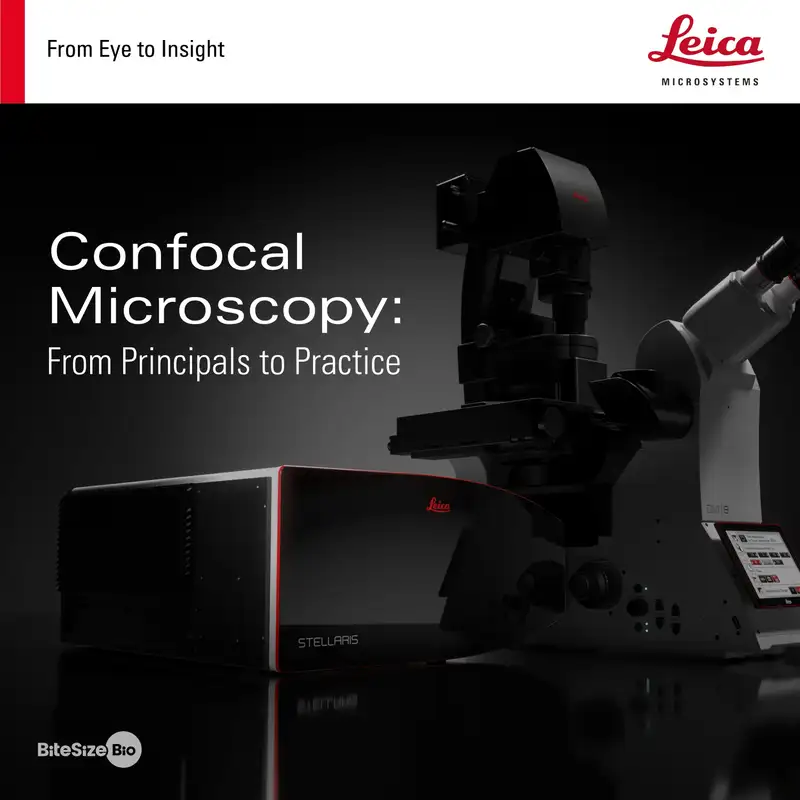
How to Choose the Right Confocal System for Your Research
Learn how adaptability, speed, sensitivity, resolution, penetration depth and user experience affect confocal performance. This episode helps you prioritize the criter...